The Minimalist Pineapple Pursuit: From Crown to Culinary Triumph
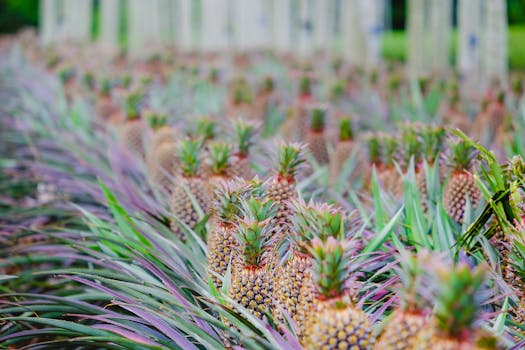
Forget expansive plantations; cultivating delectable pineapples demands neither vast acreage nor intensive agriculture. Resourcefulness, not scale, is the key. My pared-down approach, prioritizing sustainability and simplicity, transforms the seemingly improbable into a rewarding reality, right in your own space.
1. A Seed of Sustainability: Bypass costly starter plants entirely. The crown, that verdant tuft atop a store-bought pineapple, is your free, eco-conscious seed. Select a crown exhibiting robust health – firm, emerald green – a sign of inherent vitality. Allow the base to callous for a couple of weeks; a crucial step akin to acclimatizing a delicate sapling, preventing premature decay.
2. Containerized Cultivation: A Vertical Oasis: Embrace the elegance of container gardening. A generously sized pot (minimum 12 inches across), brimming with well-draining soil, forms your miniature tropical paradise. Your apartment balcony or sun-drenched windowsill transforms into a high-yield, space-saving vertical farm, maximizing the output per square foot.
3. Solar Nourishment and Hydrating Harmony: Pineapples are ardent sun-seekers. Ensure at least six hours of direct sunlight daily; indoors, grow lights provide the necessary solar mimicry. Maintain consistent moisture, keeping the soil damp but never waterlogged. Avoid overwatering; it's the equivalent of benevolent drowning. Strive for a precisely balanced hydration – enough to flourish, not enough to suffocate.
4. Nutrient Stewardship: Nature's Bounty: Reject synthetic fertilizers. Compost tea, a sustainable and economical nutrient elixir, replicates the natural fertility of thriving ecosystems. This nourishes your plant while minimizing your ecological footprint.
5. Patience: The Pinnacle of the Process: Pineapple cultivation is a marathon, not a sprint. Expect a succulent harvest in 2-3 years, contingent upon the plant's vigor and growing conditions. This prolonged process mirrors the meticulous crafting of a masterpiece; careful cultivation culminates in a delicious reward.
6. Pest and Disease Prophylaxis: A Proactive Approach: Vigilance is paramount. Regularly scrutinize your plant for any signs of infestation or disease. Organic pest control, like neem oil or the introduction of beneficial insects, are vastly preferable to harsh chemicals. Maintaining a chemical-free haven mirrors the delicate balance of a pristine ecosystem; harmony reigns supreme.
7. Harvesting Your Fruition: A Sustainable Delight: The ripened fruit will boast a captivating aroma and a sun-kissed golden hue. Upon harvesting, savor your sustainably grown pineapple, a testament to your commitment to both deliciousness and environmental responsibility.
The Humble Pineapple: A Minimalist's Manifesto for Sustainable Sustenance
In this era of relentless consumption, ecological responsibility isn't optional; it's paramount. Cultivating your own pineapple perfectly embodies the minimalist ideal: prioritizing quality over sheer volume, minimizing superfluous waste. Yet, this practice transcends mere personal preference; its repercussions resonate far beyond the confines of one's home.
1. Mitigating Your Environmental Impact: The commercial pineapple's odyssey from plantation to plate often entails a carbon-intensive journey, a protracted saga of transportation and energy expenditure. Home cultivation dramatically lessens this ecological debt, resulting in a significantly diminished environmental footprint. Picture the pineapple's trek as a global expedition; your homegrown fruit embarks on a significantly shorter, more fuel-efficient, and less polluting commute.
2. Championing Biodiversity: While we can engage in low-impact pineapple production, conventional pineapple farming, despite its economic contribution, frequently undermines biodiversity. Even small-scale personal cultivation fosters an appreciation for, and bolsters, biodiversity in a tangible way. We actively resist the detrimental effects of monoculture, embracing a biodiverse ecosystem that flourishes in its rich complexity.
3. Reconnecting with the Earth: The nurturing of a pineapple is a profoundly humbling experience; it demands patience, meticulous observation, and a deep understanding of natural rhythms. This process rekindles our inherent connection to the natural world, enabling us to marvel at the intricate wonder of food production. It's akin to resurrecting an ancient craft, savoring the deep satisfaction of guiding life from seed to succulent fruit.
4. Self-Reliance and Empowerment: Homegrown sustenance, regardless of scale, imparts a sense of self-sufficiency and personal agency. Successfully cultivating this tropical treasure from a simple crown is a testament to resourcefulness and resilience, a genuine achievement. This accomplishment resonates like conquering a formidable peak – each incremental step contributes to the ultimate triumph.
5. Embracing the [Slow Food Philosophy](https://en.wikipedia.org/wiki/Slow_Food): Our frenetic modern existence often overshadows the profound beauty of food production. The slow food movement champions mindful appreciation for the journey from seed to plate. Growing your own pineapple exemplifies this philosophy, a celebration of deliberate patience, mindful attention, and the inherent goodness of natural processes. This cultivated patience mirrors the slow, careful cultivation of meaningful connections – fostering deeper, more enriching relationships.
This minimalist approach is more than just about pineapples; it's about fostering a mindful relationship with our sustenance, our planet, and ourselves. It's about making conscious decisions aligned with our ethical values, contributing to a more sustainable and fulfilling existence. The rewards extend far beyond the delectable taste of a homegrown pineapple – a richer appreciation for the natural world and a more purposeful approach to life are the true fruits of our labor.