Deconstructing the Delicious: A Food Scientist's Guide to Rib Perfection
Forget culinary mysticism; the path to sublime ribs is paved with precise chemistry. While intuition undoubtedly plays a role, masterful rib cookery hinges on understanding the fundamental scientific principles governing this cherished process. Let’s explore the transformative reactions and physical alterations that sculpt those succulent masterpieces.
1. Moisture Management: The Dance of Juiciness: The delicate balance of moisture is paramount throughout the entire cook. Too much moisture stifles the Maillard reaction, yielding anemic, flavorless ribs. Conversely, insufficient moisture results in desiccated, leathery disappointments. The inherent fat within the ribs plays a crucial role in moisture retention, acting as a natural lubricant. Smoke, intriguingly, contributes to moisture retention by creating a protective, almost impermeable layer.
Actionable Insight: Discard visual cues; embrace the precision of a meat thermometer. Internal temperature is your ultimate compass, charting the course to perfection. Consider periodic basting with a flavorful liquid—apple cider vinegar offers a delightful acidic counterpoint—to elevate moisture retention and add nuanced depth of flavor. Strategic wrapping during the final phase of cooking can further enhance moisture retention without compromising the coveted bark’s delightful crispness. This isn’t mere culinary folklore; it's scientifically sound technique.
2. Collagen Catabolism: The Journey to Tenderness: Many cuts, ribs included, contain collagen, a resilient, fibrous protein responsible for their initial toughness. However, the low-and-slow cooking magic transforms this recalcitrant protein. Prolonged exposure to gentle, moist heat—whether through smoking or braising—induces the breakdown of collagen into gelatin, that luscious, yielding substance that bestows upon the ribs their coveted fall-off-the-bone texture. Picture the gradual dissolution of a rock candy in warm water; the heat gently unravels the rigid structure.
Actionable Insight: Patience, my friend, is the cornerstone of success. Lower cooking temperatures and extended cooking times are non-negotiable for optimal collagen conversion. Think of it as patiently coaxing butter to melt—a gradual process yields far superior results to hasty melting.
3. The Maillard Marvel: A Symphony of Flavor: This isn't just a scientific jargon; it's the alchemical transformation that imbues ribs with their irresistible brown crusts and multifaceted flavors. High temperatures (around 300°F or 150°C) spark a cascade of reactions between amino acids (proteins' fundamental building blocks) and reducing sugars in the meat. Hundreds of volatile compounds are generated, creating that captivating BBQ aroma and taste—a veritable flavor orchestra, with each compound a unique note in a delicious symphony. [Learn more about the Maillard reaction](https://www.sciencedirect.com/topics/food-science/maillard-reaction).
Actionable Insight: For optimal Maillard magic, ensure your ribs are impeccably dry before applying your rub. A slightly elevated initial cooking temperature (but avoid incineration!) will amplify browning and flavor development.
4. The Smoke Enigma: Beyond Mere Flavor: Smoke is more than just a flavor enhancer; it's a crucial element in moisture regulation and preservation. Smoke's constituents permeate the meat, subtly altering flavor profiles and serving as a natural preservative. However, an excess of smoke can impart unwelcome bitterness. Balance, once again, is key. [Here's a study on the impact of smoke on meat preservation](https://pubmed.ncbi.nlm.nih.gov/26812695/).
Actionable Insight: Experimentation is encouraged! Explore different wood types to uncover your preferred flavor profile, meticulously documenting successful combinations for future replication. Diligent smoke temperature monitoring ensures optimal benefits without the intrusion of bitterness.
Fellow pitmasters, let's delve into the captivating chemistry that elevates humble pork ribs to culinary masterpieces. Why dissect the science? It's not mere academic pursuit; rather, it's the key to unlocking unwavering excellence, transcending the vagaries of capricious smoker behavior and the inherent variability of rib cuts.
Troubleshooting becomes intuitive, a natural extension of understanding. A dry, desiccated rib? The culprit might be insufficient moisture retention during the crucial collagen hydrolysis phase. A lackluster Maillard reaction? Temperature, my friends, is the primary suspect; too low, or perhaps an excess of surface moisture thwarted its progress. Instead of bewildered resignation, you wield scientific acumen, diagnosing and rectifying the issue for a triumphant comeback.
Consistently crafting competition-caliber ribs? That's the ultimate objective, a testament to mastery. This precision isn't about luck; it's the fruit of understanding. Every variable – from the precise cut of the meat to the nuance of your chosen wood – becomes a manageable parameter, resulting in predictable, delectable outcomes that impress even the most discerning palate. This consistent triumph builds not just skill, but an unshakeable confidence, transforming the humble home cook into a BBQ virtuoso.
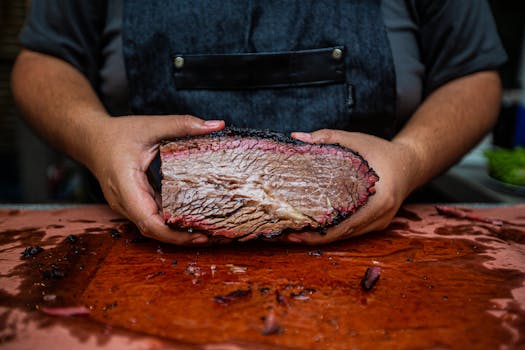
Imagine your rib cook as an architectural marvel, a towering testament to culinary precision. The foundation, that rich, deeply caramelized Maillard crust, must be impeccable. The structural integrity relies on the complete breakdown of collagen, yielding that melt-in-your-mouth tenderness. Finally, the smoke ring, that alluring badge of honor, represents the aesthetically pleasing exterior, shielding the delectable interior from environmental fluctuations. A deficiency in any of these critical components compromises the entire structure, highlighting the importance of a deep understanding of each process. [More information on collagen breakdown during cooking can be found here](https://www.researchgate.net/publication/228621564_Effect_of_cooking_methods_on_collagen_content_and_texture_of_beef_meat).
Beyond mere replication, scientific knowledge ignites innovation. With a solid grasp of the fundamentals, experimentation becomes a voyage of discovery rather than a gamble. You can confidently manipulate variables, introducing novel ingredients, pioneering techniques, and sculpting unique flavor profiles that far surpass the limitations of traditional BBQ approaches. This is where the true art of barbecue blossoms. For more tips on mastering other BBQ techniques, check out our guide on [how to cook ribs](/how-to-cook-ribs) and learn [how to make brown gravy](/how-to-make-brown-gravy) to complete your meal. If you're interested in other cooking techniques, you might also enjoy our articles on [how to cook baked potatoes](/how-to-cook-baked-potatoes) or [how to cook lobster](/how-to-cook-lobster). And for those looking to improve their overall cooking skills, understanding the Maillard reaction is key, which is further explained in our article on [how to make brown sugar](/how-to-make-brown-sugar).